
The Hidden Gems of Delco: Why Everyone is Searching for Mineral Hill
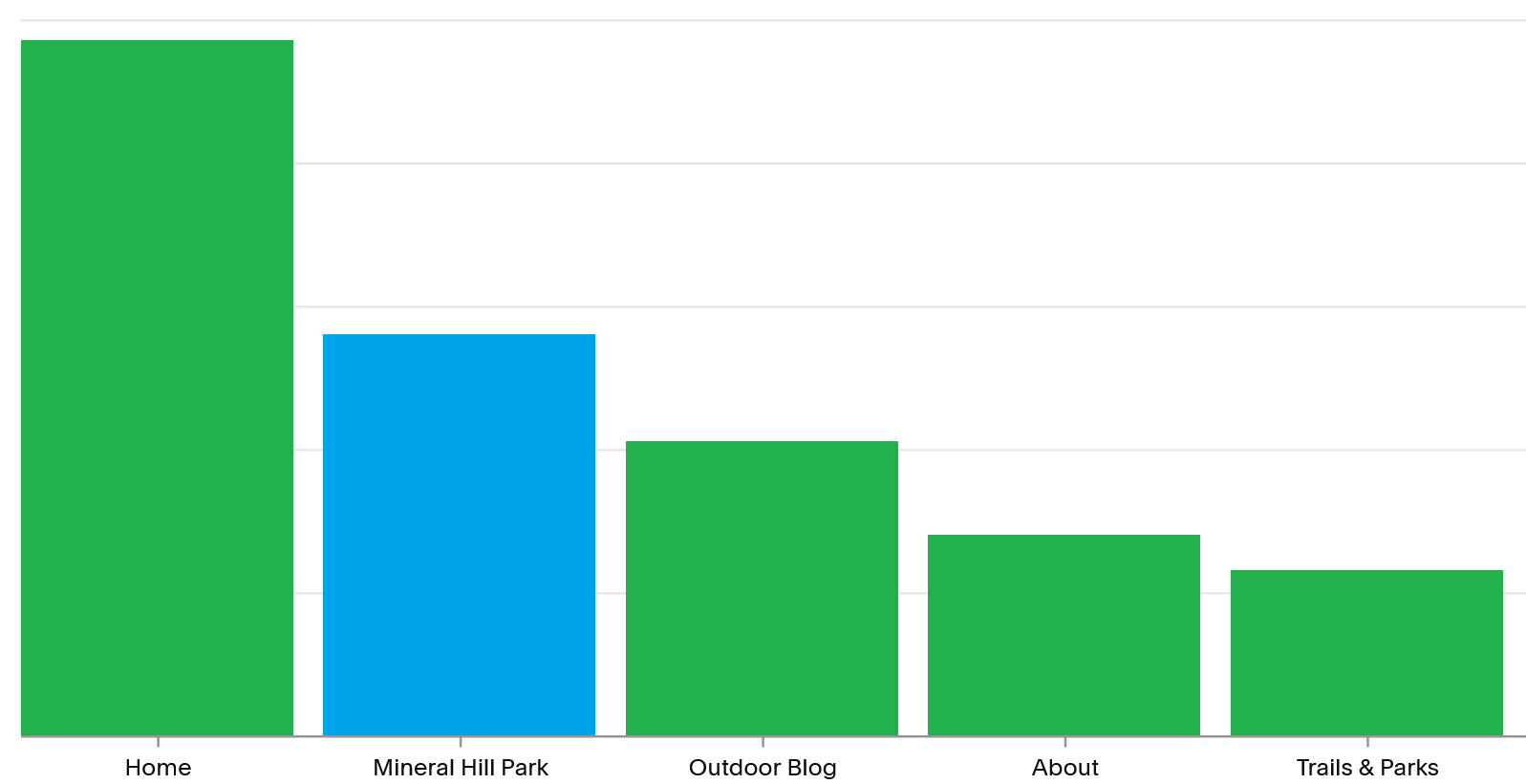
An average week of pageviews at MTLC.org
For a while now, we've noticed that a significant amount of traffic to our website has been aimed at "Mineral Hill Park". This is no accident, in fact Mineral Hill Park is one of the most geologically important sites in Pennsylvania and has drawn scientists from the Smithsonian and local rockhounds for over 150 years.
But what makes Mineral Hill so special? Here is everything you need to know.
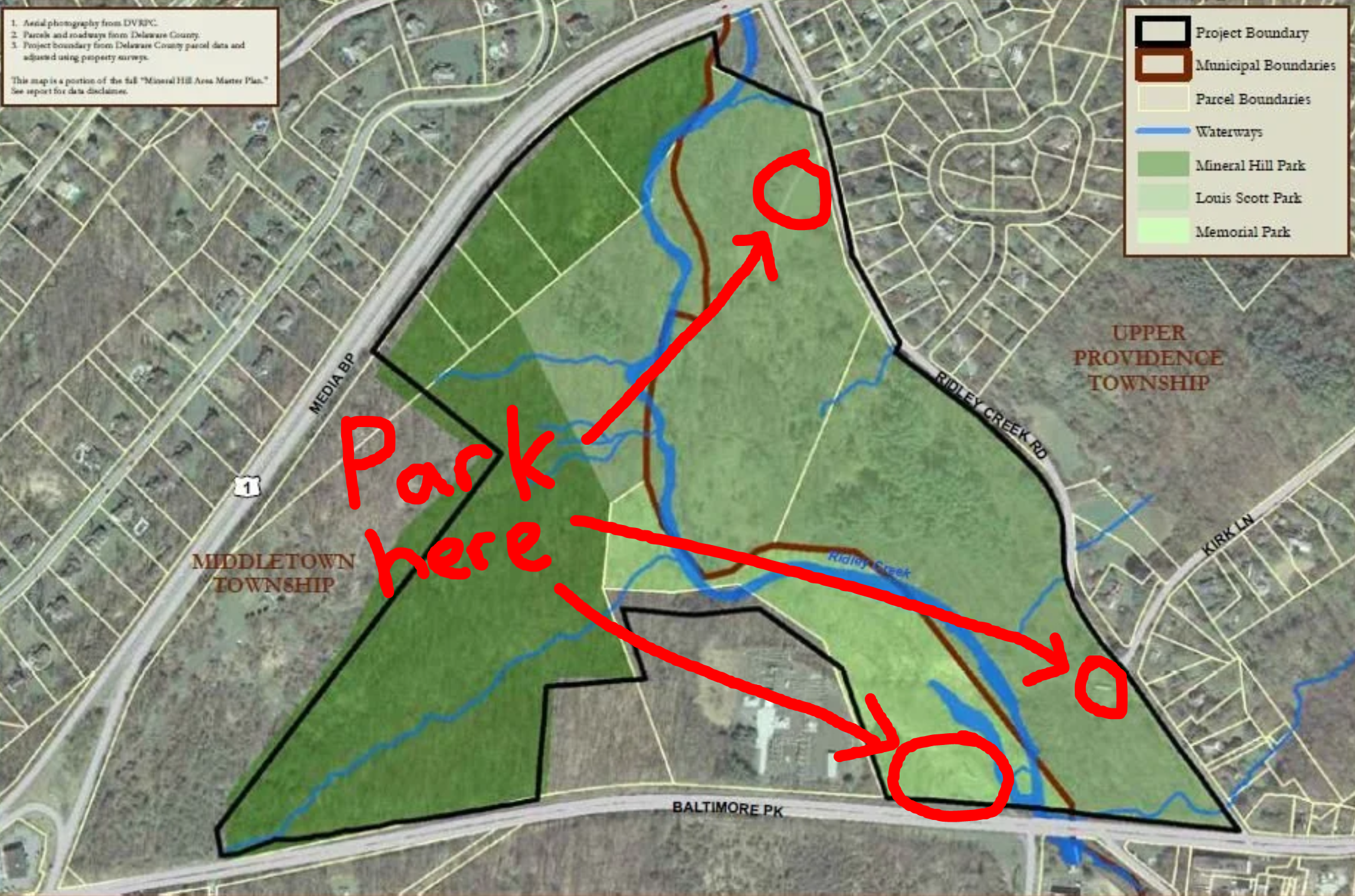
Gravel lot parking off Baltimore Pike and Ridley Creek Road. You can’t cross the stream, so plan 2 trips!
Why are people so interested in Mineral Hill?
Delaware County is no stranger to rocks. We're the home of multiple quarries for granite and gneiss, and many of our most familiar names are geological. We have Granite Run named after the original quarry, Chrome Run named for the Chromite (in the 1800s this area was one of the world's leading sources of chromium), and Blue Hill in Upper Providence named for the bluish tint of its quartzite.
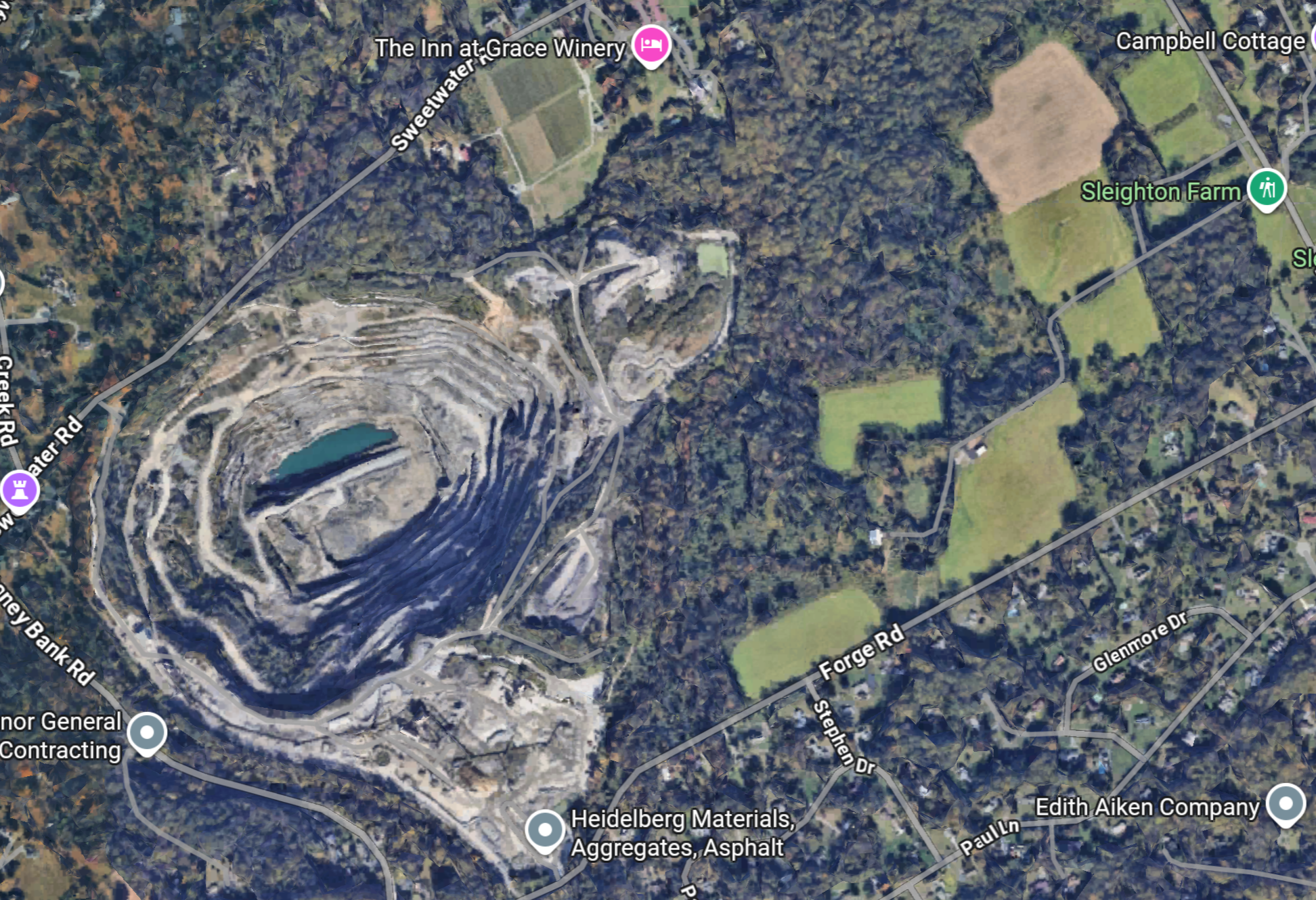
One of our granite quarries “Glen Mills Quarry” as seen from space (obviously, that would be a super tall ladder)
Mineral Hill is different. It is one of the few places in the world where you can find Amazonite, Moonstone, Sunstone, and Smoky Quartz all in one area.
In the 1800s this wasn't just local attraction, it was an international destination. Specimens found here were so high quality that they are still held in the permanent collections of the American Museum of Natural History in New York.
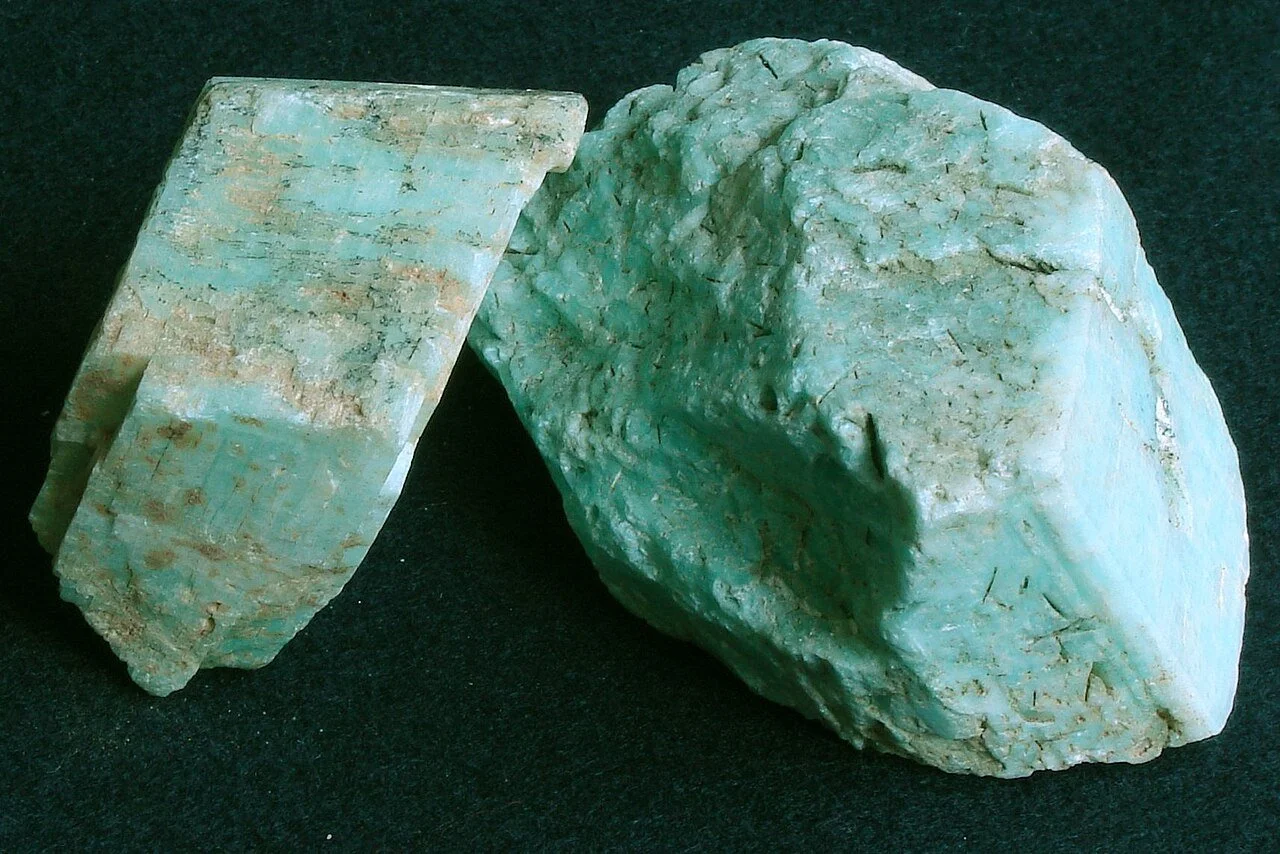
Amazonite
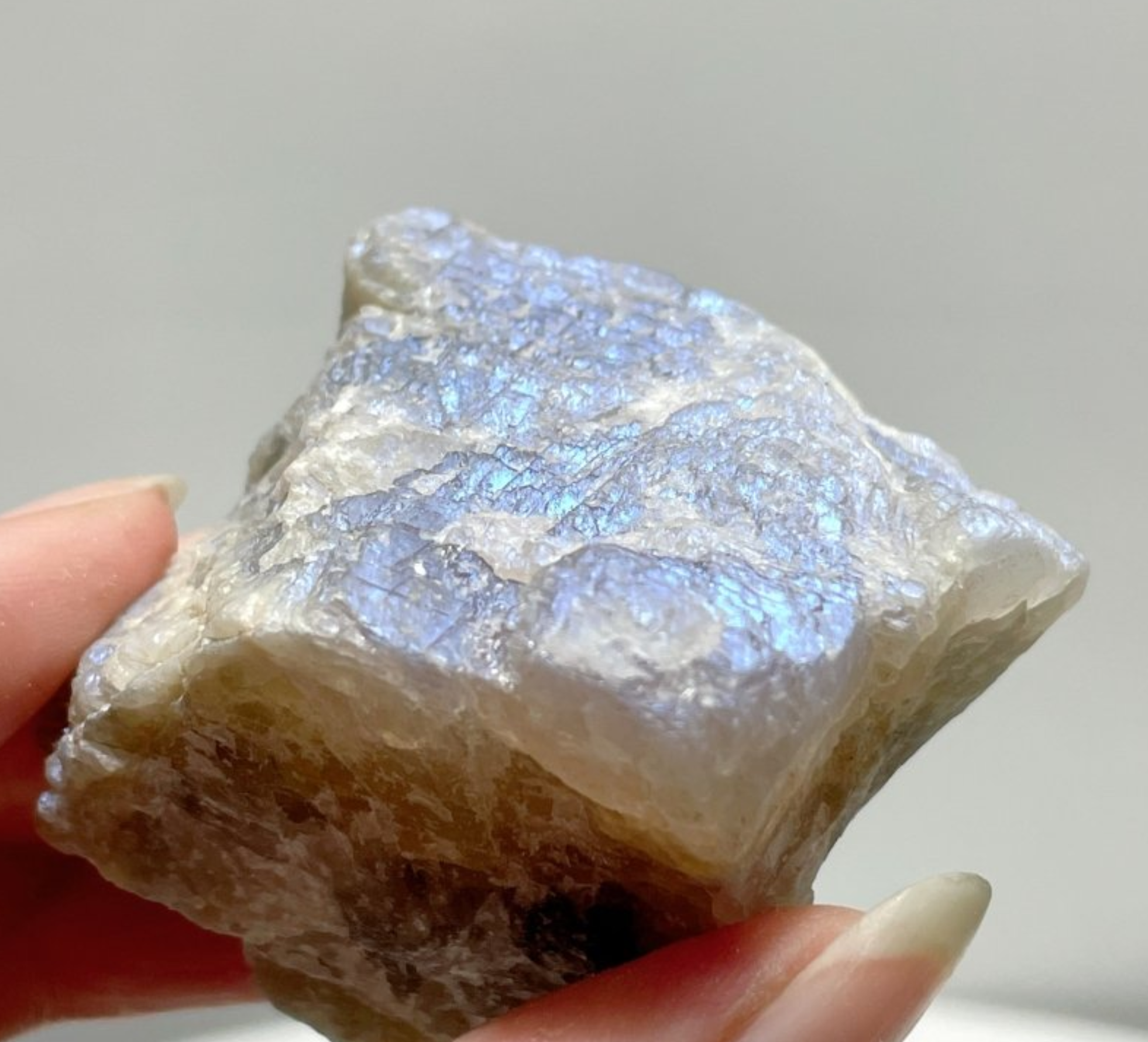
Moonstone
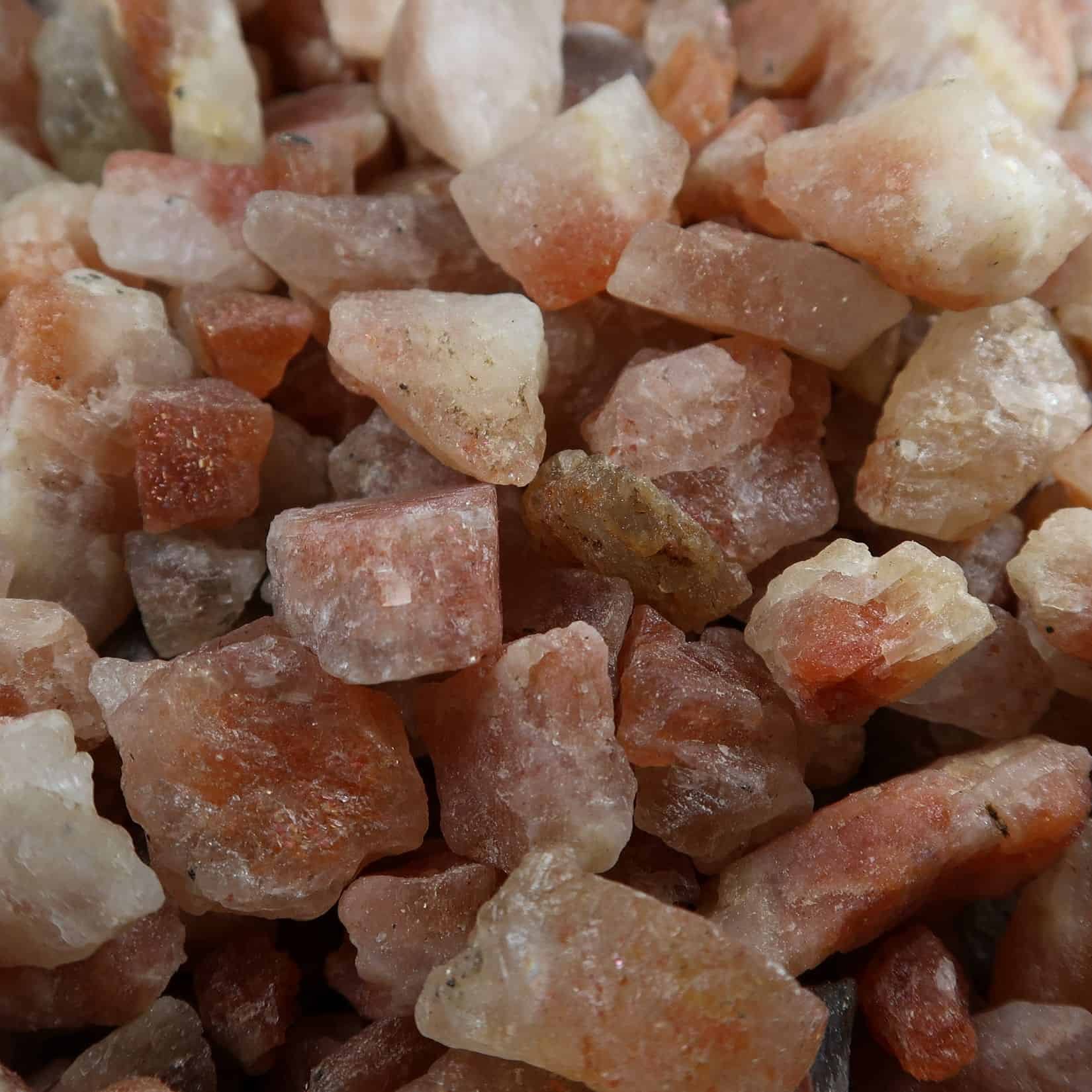
Sunstone
How did the minerals form?
300 million years ago (long before the dinosaurs), when Delaware County sat beneath the Iapetus Ocean, two massive tectonic plates, the North American and the Oceanic began a slow motion collision.
Normally when plates collide underwater, the seabed is swept under the continent and disappears. But what happened here was a rare geological accident: part of the seabed and the underlying mantle got trapped between the plates and was pushed up to help form the Appalachian Mountain range (which was once as tall as the Himalayas).
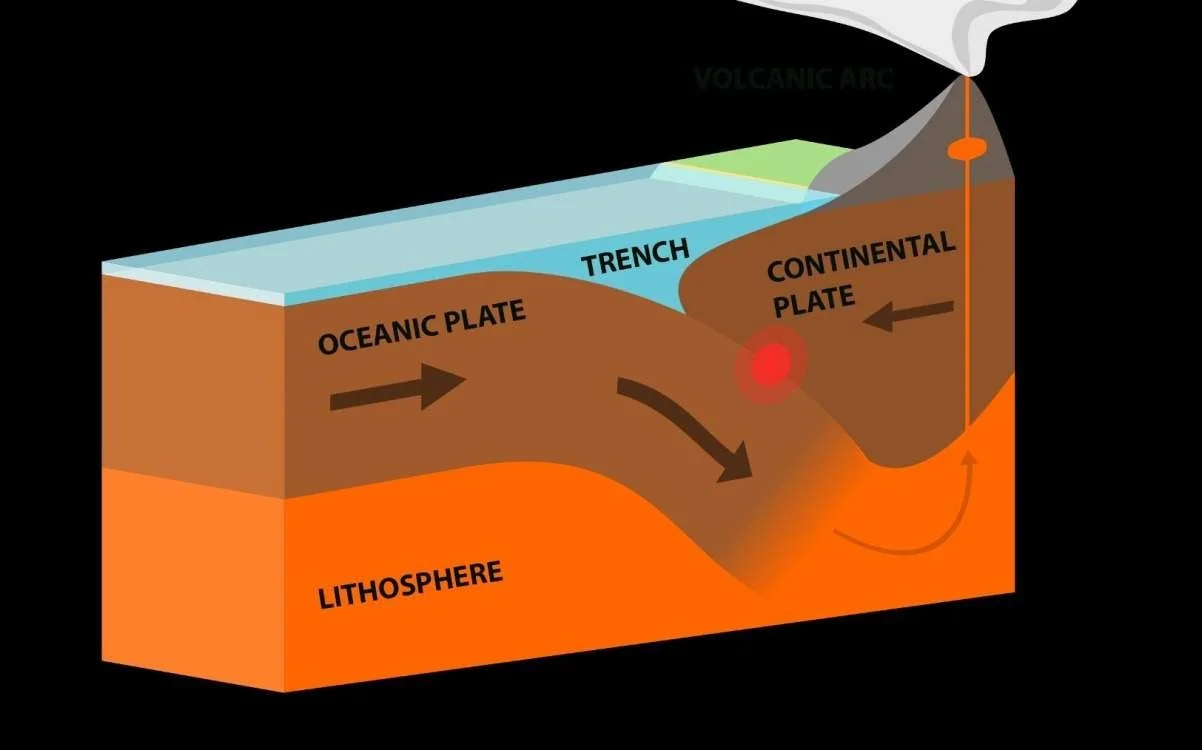
This is how its supposed to be, but we got a little extra pushed out on top. The red zone is where (magic happened?)
The mantle rock beneath the seabed contained heavy metals like lead iron and magnesium. The energy of the collision, combined with trapped seawater, caused the mantle rock to transform into Serpentine (a heavy metal laden, green tinted stone)
As the plates continued to move, the Iapetus Ocean was displaced and the supercontinent Pangea was formed. Miles underground the Serpentine was waiting. The intense heat and pressure of the collision caused the continental crust to melt into magma (rich in silica, aluminum, and potassium). Over time, this magma leaked into and around the Serpentine in veins called Pegmatites.
Normally, magma would form simple feldspar as it cooled... but not this time. Adjacent to the heavy metal laden Serpentine, the magma reacted slowly at the "fringe," absorbing elements to create Sunstone, Moonstone, and Amazonite.
An unfathomable amount of time passed. Dinosaurs came and went. Eventually, the erosion of the massive Appalachians exposed the rare minerals, finally bringing them to the surface where we see them today.
From Private Treasure to Public Park
For decades, Mineral Hill was "forbidden fruit." It was privately owned and largely inaccessible to the public. Thanks to the 2010 preservation effort, it is now part of a 123 acre contiguous park system. This ensures that this geological time capsule and the Ridley Creek watershed it protects won't be paved over for development.
Can you go there and pick rocks?
No. Mineral Hill is a protected conservation site. County regulations strictly prohibit the removal of any rocks, minerals, or plants.
Think of it as an outdoor museum. Hike the Millennium Trail, take photos, and explore the ruins of the mid-20th-century Boy Scout camp... but leave the hammer at home so that future generations can enjoy the same sense of discovery.
Where can you see examples of these rocks?
If you want to see what the big ones look like you don't have to go far. The Delaware County Institute of Science in Media has a collection of minerals actually pulled from Mineral Hill.
You can also look at old buildings in Philadelphia. Many of the green tinted stone buildings at the University of Pennsylvania were built using the same type of Serpentine stone that gives Mineral Hill its name.
The next time you’re walking the trails at Mineral Hill, take a moment to see if you have any rocks wedged between the treads of your shoes. You aren't just looking at Delco dirt, you're looking at remnants of a 300 million year old tectonic collision, a piece of the ocean floor that survived the the dinosaurs, and the rise and fall of our own "Himalayas".