
Springing out of the snow blanket
It’s February in Middletown, and after weeks of snow and shivering (shovelling?), nature is starting to get back on track. While things still look like a frozen wasteland, we actually have the perfect setup for spring.
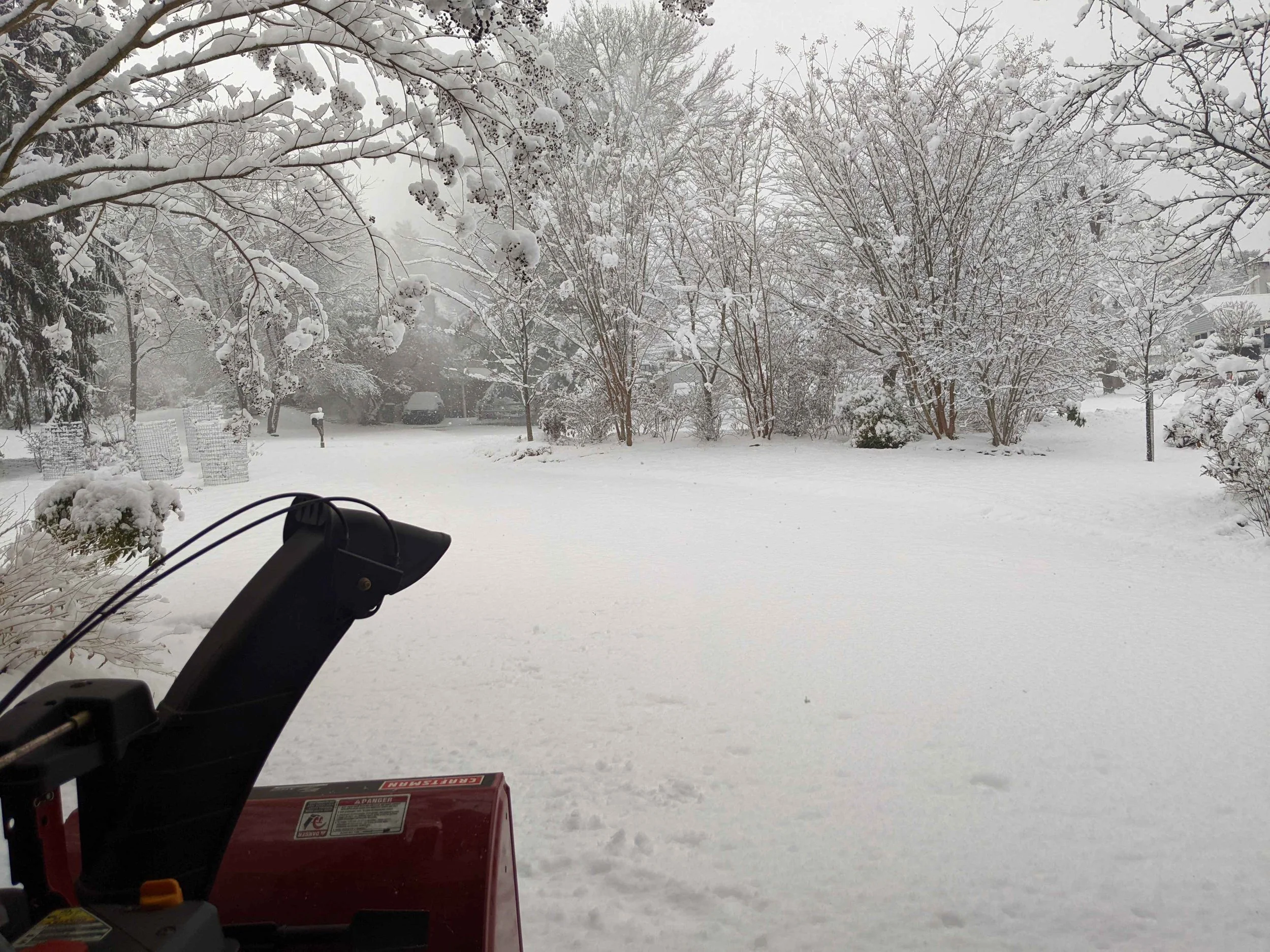
There’s a driveway under there somewhere
The R-Value of Snow
Snow is an excellent thermal insulator because it can contain up to 90% trapped air. It has a calculated R-value (insulation value) of about 1 per inch (for comparison, concrete is about ten times lower). The snowy blanket protects plant roots from our greatest winter threat: (not cold necessarily) but temperature fluctuations. When the ground freezes without cover, we get frost heave. This occurs when water is pulled from unfrozen soil to form ice patches that expand and push the surface up, physically tearing sensitive plant roots. Snow keeps the ground temperature stable and warm, which keeps the roots of everything from native perennials to sensitive fig trees tucked safely in place.
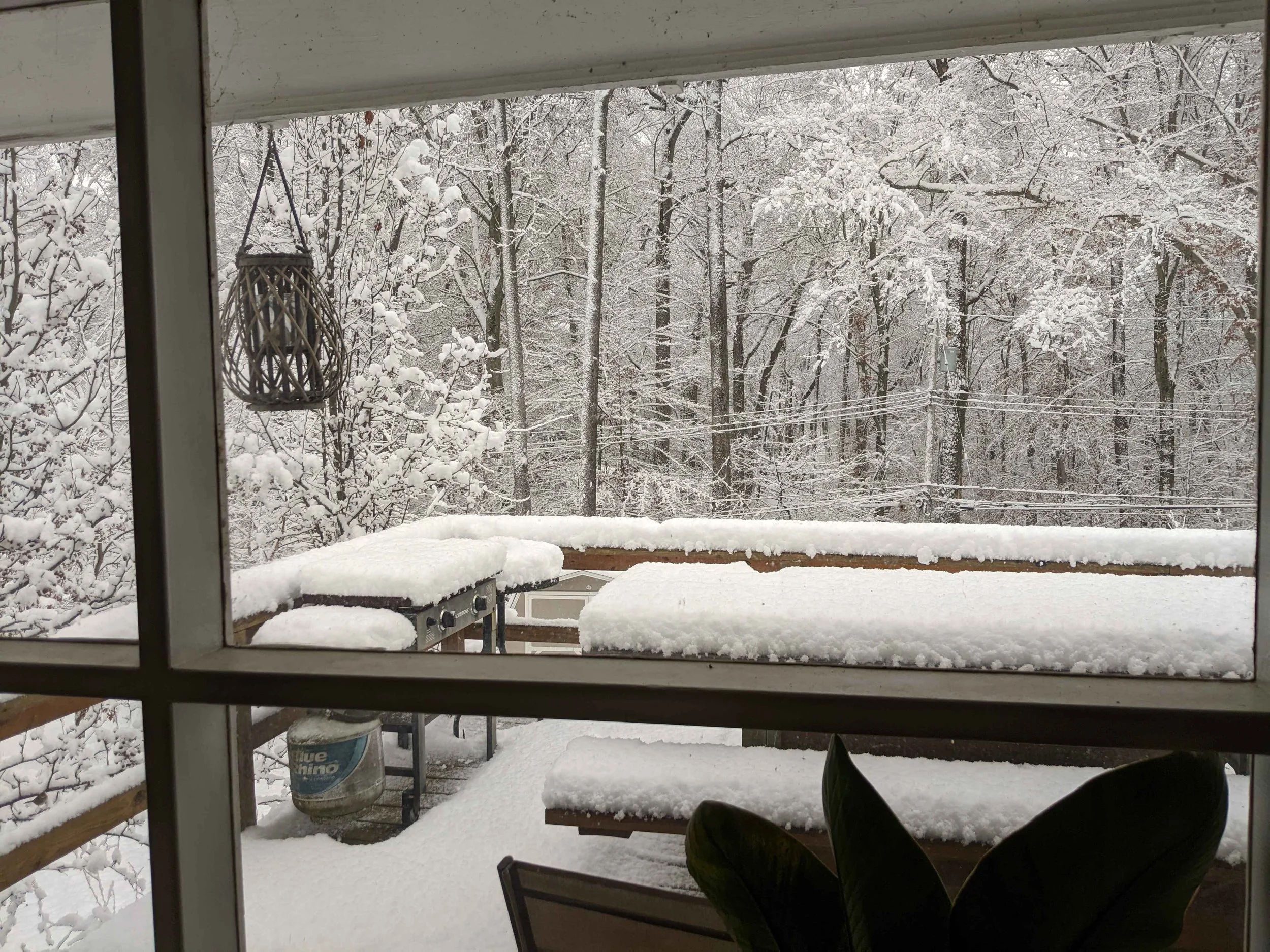
I wish I had a more relevant picture of snow as an insulator
Sidestepping the evaporative tax
Snow provides a slow-release drip of "the good stuff" (water). Unlike frozen or dessicated ground that sheds rain quickly as runoff, snow keeps the soil thawed and porous enough to absorb moisture deeply. This recharges the groundwater and soil pores well before the first blooms appear. Without snow, frozen soil moisture tends to sublimate (turning directly from ice to gas), lost to the winter wind. This "evaporative tax" is why broadleaf evergreens like Hollies and Rhododendrons (who like water throughout winter) often suffer from "winter burn". Snow melt provides critical hydration many plants need to survive a dry, windy March.
Life in the Subnivean Zone
There's something special hiding under the snow called the Subnivean Zone (from the Latin sub "under" and nives "snow"). In this dark damp layer, the temperature rarely drops below freezing, allowing for the decomposition of organic matter to continue while the world above is dormant. This zone activates specialists like Snow Mold, a fungus that breaks down complex cellulose and leaf litter into somewhat of a nutrient tea for everything else around it.
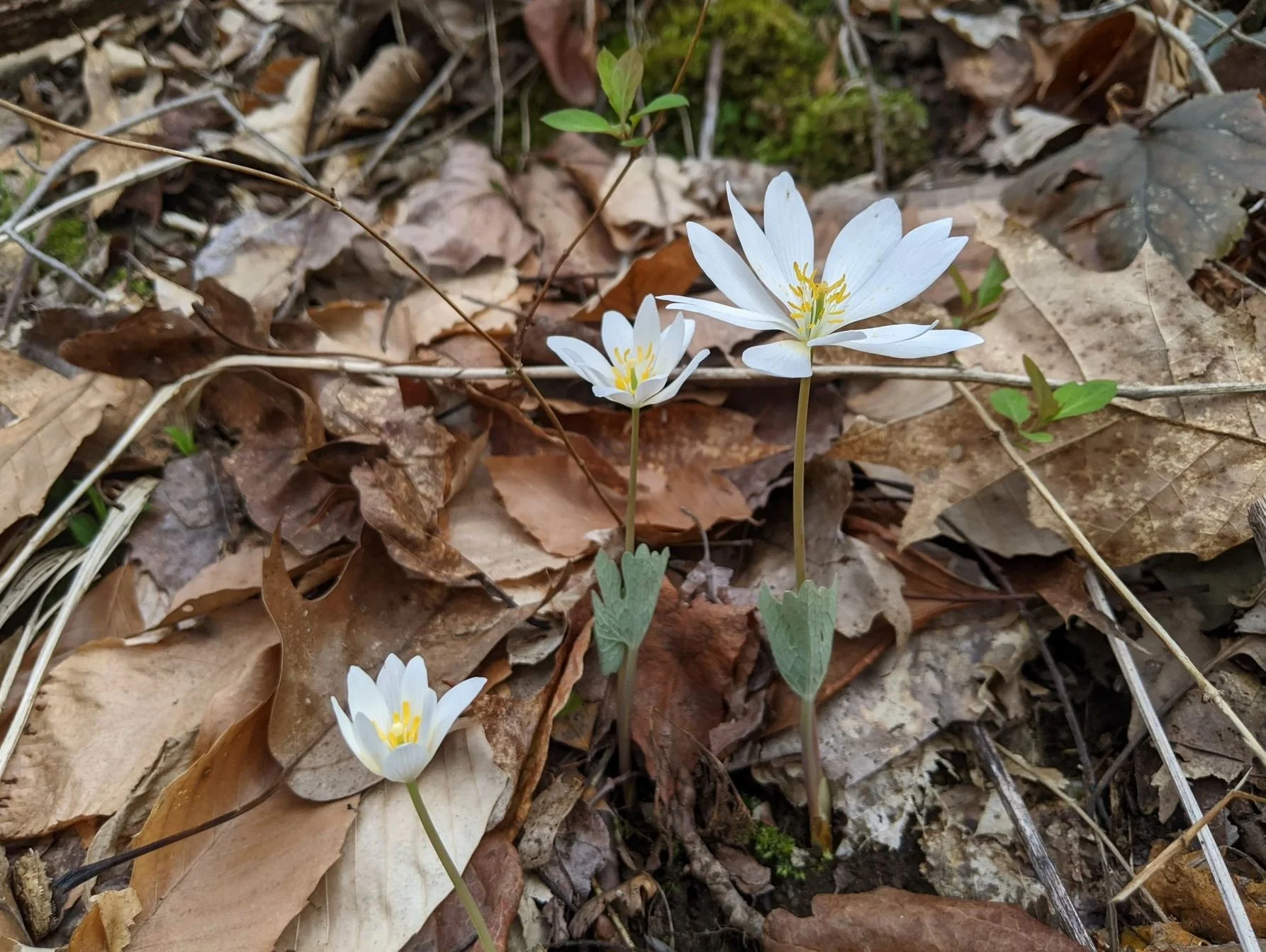
We will definitely see some Bloodroot soon
This is why we like to advocate to "leaf some leaves" in the fall. The combination of leaf litter and snow creates a insulation and nutrient system far more effective than either alone and it’s the reason forest ecosystems thrive naturally while manicured yards struggle. Snow and leaves are also why spring ephemerals like Bloodroot and Trout Lily can "cook" under that warm blanket, and why we might see them early this year the moment the melt is complete.